Cold Zero Book Review: A High-Stakes Arctic Thriller
Table of Contents
- Introduction
- Author Information
- Genre of the Novel
- Storyline / Plot Summary
- Themes in the Novel
- Character Analysis
- Writing Style
- Why You Should Read This Book
- Who Should Read This Book
- Conclusion
- FAQs
Introduction
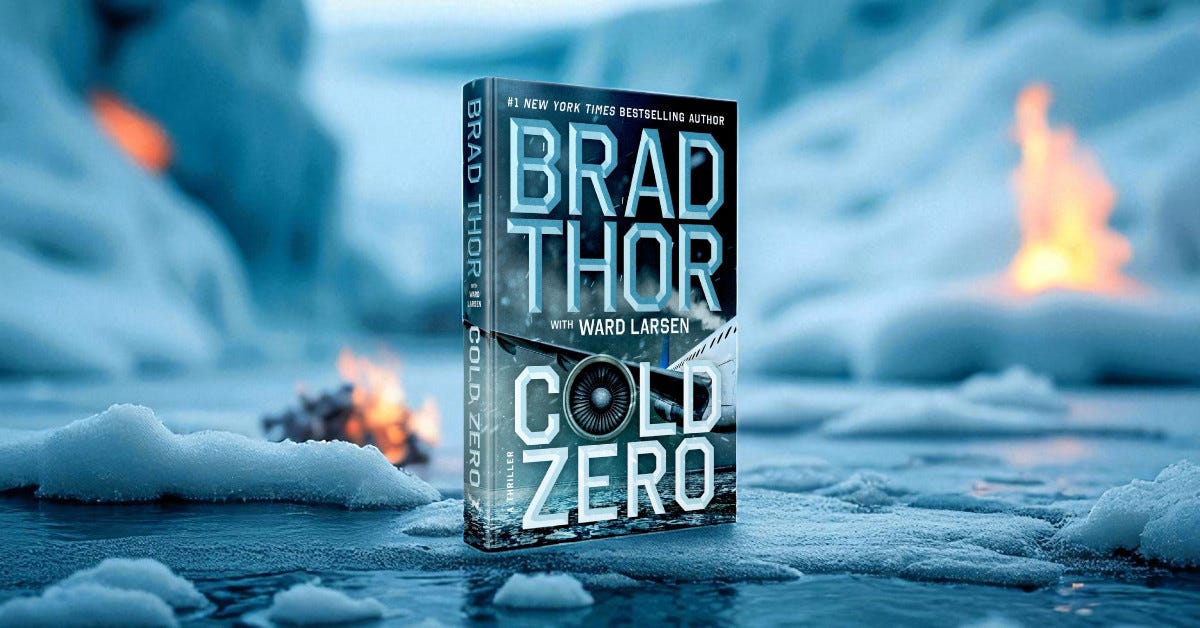
This Cold Zero Book Review explores a fast-paced and intense thriller that blends survival, espionage, and global political conflict. Written by Brad Thor and Ward Larsen, the novel takes readers into a deadly Arctic environment where nature and international power struggles collide.
Author Information
Brad Thor is a #1 New York Times bestselling author known for political and espionage thrillers filled with realism and military detail. His writing often focuses on intelligence operations and global threats.
Ward Larsen is a USA TODAY bestselling author known for action-packed storytelling and aviation-based thrillers. Together, both writers combine their strengths to create a gripping and realistic narrative.
Genre Overview
This Cold Zero Book Review highlights that the novel belongs to multiple genres:
- Spy thriller
- Survival thriller
- Political espionage fiction
- Action and military suspense
This combination makes the book appealing to readers who enjoy fast-paced international conflict stories.
Storyline summary
The story begins with Hemisphere Airlines Flight 777, a highly advanced aircraft that disappears over the North Pole due to sabotage. The plane crash-lands in the Arctic, leaving survivors trapped in a deadly frozen wasteland.
Inside the wreckage is a prototype technology capable of shifting global power. Soon, major world powers—including Washington, Moscow, and Beijing—enter a dangerous race to secure it.
At the center of this conflict are CIA (Central Intelligence Agency) Kasey Sheridan and former pilot Brett Sharpe. They must survive extreme conditions while protecting the technology from falling into enemy hands.
Themes in the Novel
This Cold Zero Book Review reveals several strong themes:
- Global political tension and power struggle
- Survival against extreme natural conditions
- Espionage and intelligence warfare
- Moral decisions under pressure
Character Analysis
The characters are central to the emotional and action-driven storytelling.
- Kasey Sheridan: A CIA operative dealing with extreme pressure while navigating survival and secrecy
- Brett Sharpe: A skilled pilot forced into survival mode in deadly Arctic conditions
- Global powers: Representing political ambition and military control
Writing Style
The writing style is:
- Fast-paced and cinematic
- Highly detailed and realistic
- Filled with suspense and action
- Easy to visualize like a movie
This keeps the novel engaging without momentum loss.
Why You Should Read This Book
This Cold Zero Book Review highlights several reasons why the novel is worth reading:
- Unique Arctic survival setting
- High-level espionage storyline
- Strong political conflict theme
- Continuous action and suspense
- Realistic military and intelligence details
Who Should Read It
This book is perfect for:
- Spy thriller fans
- Military fiction readers
- Survival story enthusiasts
- Readers who enjoy global conspiracy plots
However, it may not suit readers who prefer light storytelling.
Conclusion
Cold Zero is a gripping thriller that combines survival, espionage, and global conflict into a single intense narrative. This Cold Zero Book Review shows that the novel is not just about action—it is about control, secrecy, and survival in one of the harshest environments on Earth.
FAQs
1. What is Cold Zero about?
It is about a crashed plane in the Arctic carrying dangerous technology that triggers a global power struggle.
2. Is Cold Zero a true story?
No, it is fictional but inspired by realistic espionage and political scenarios.
3. What genre is Cold Zero?
Spy thriller, survival fiction, and political espionage.
4. Who should read this book?
Fans of action-packed thrillers and survival stories.
5. Is Cold Zero worth reading?
Yes, it is fast-paced, intense, and highly engaging.